On 24 March 1925, more than 5,000 people packed the Sportpalast in Berlin for the first World Animal Day. It was the idea of Heinrich Zimmermann, a German writer and dog expert who published a magazine about animals.
He had wanted 4 October, the feast day of Saint Francis of Assisi, the patron saint of animals. The hall wasn’t free that day. It took until 1929 to move it, and in 1931 an international animal protection congress in Florence voted to make 4 October World Animal Day everywhere. Since 2003 it’s been run by the UK charity Naturewatch Foundation.
Every animal, including the ones nobody owns
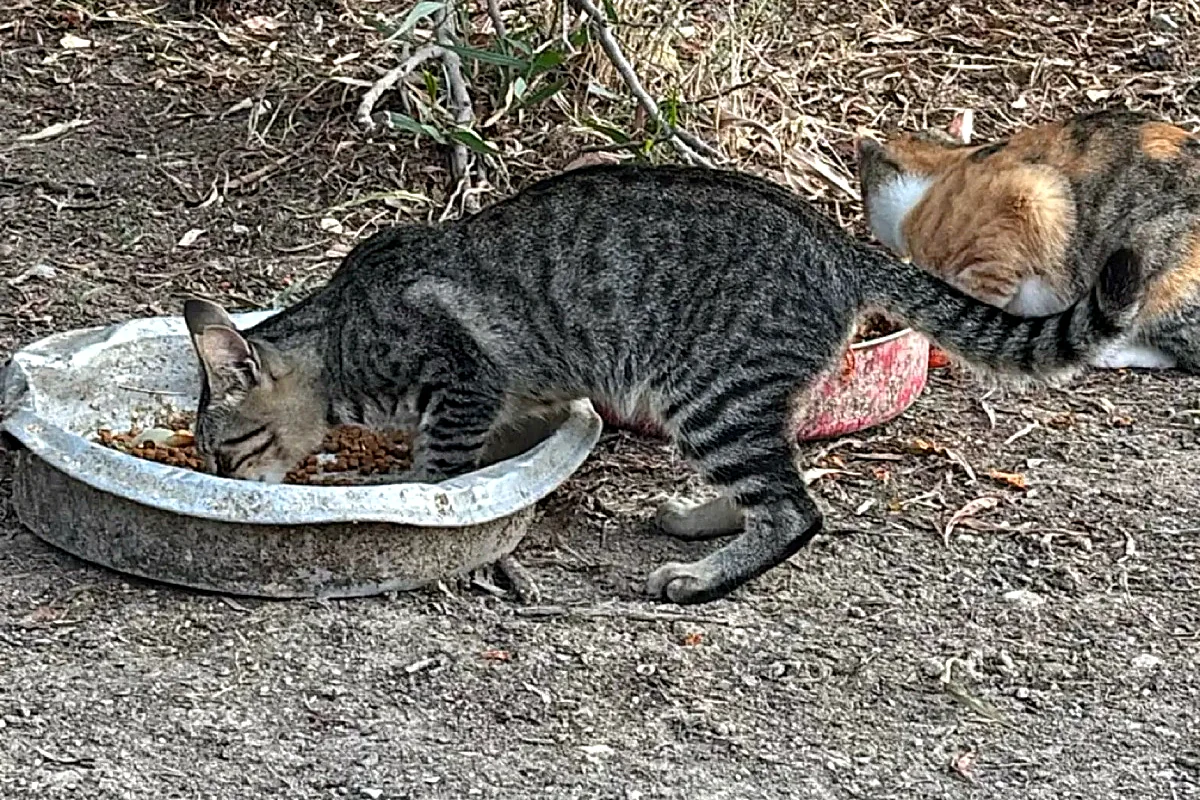
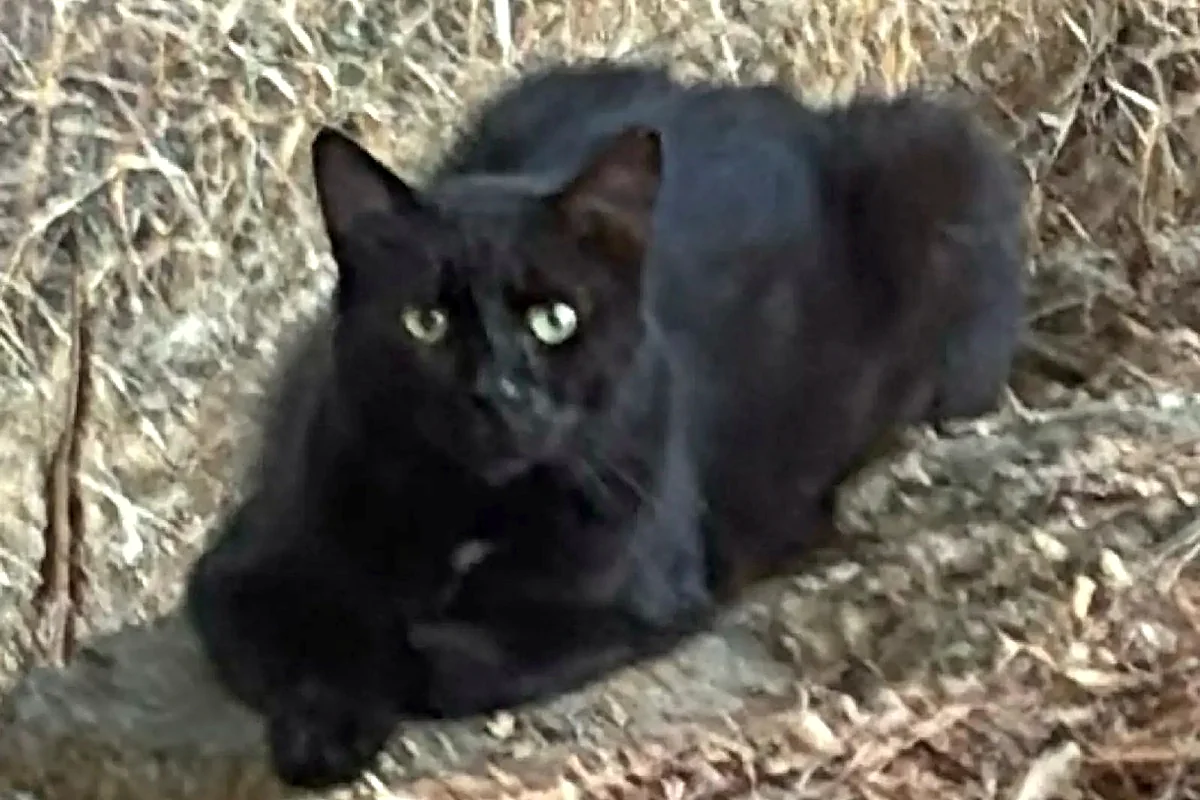
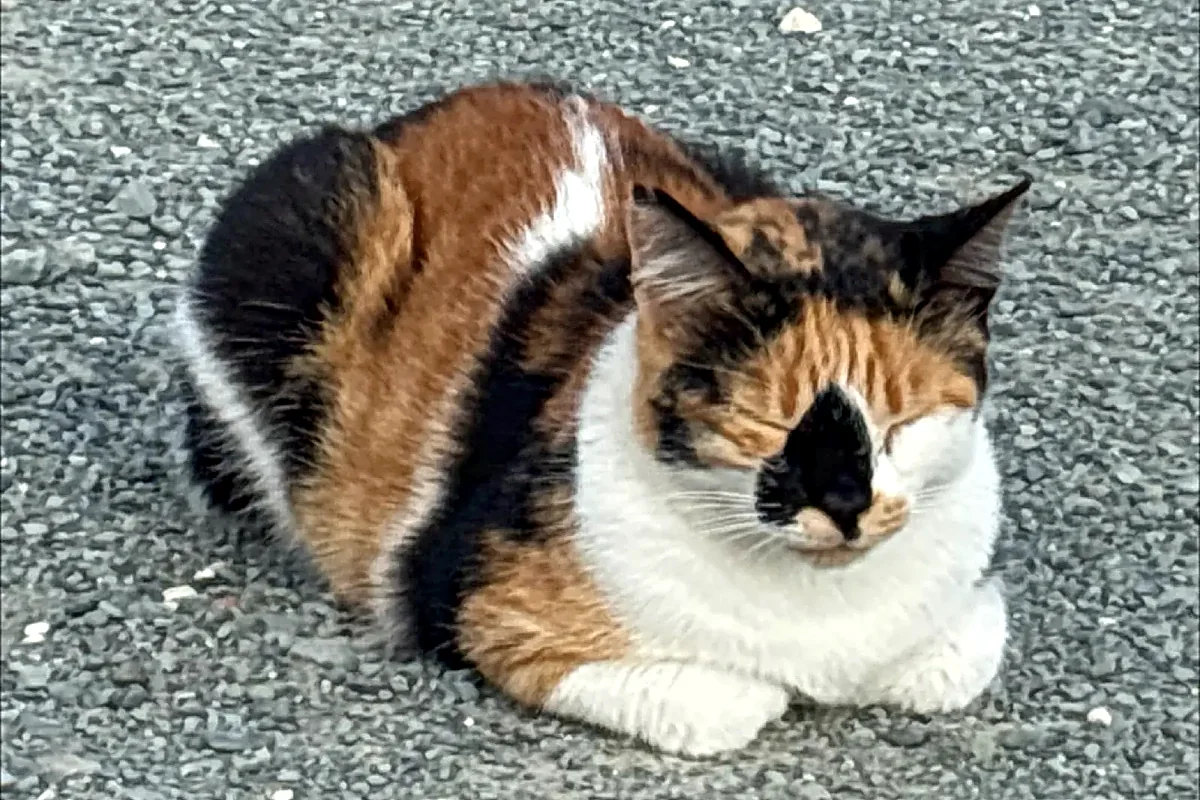
World Animal Day is for all of them: wildlife, farm animals, pets. But some of the animals that need it most live right outside our doors. In a 2024 study across 20 countries, around 203 million cats were living on the street.
Most of them don’t need rescuing. They need to be neutered, so fewer kittens are born into hard lives. They need clean water, sensible food, and someone who notices when they’re ill.
A day that gets things done
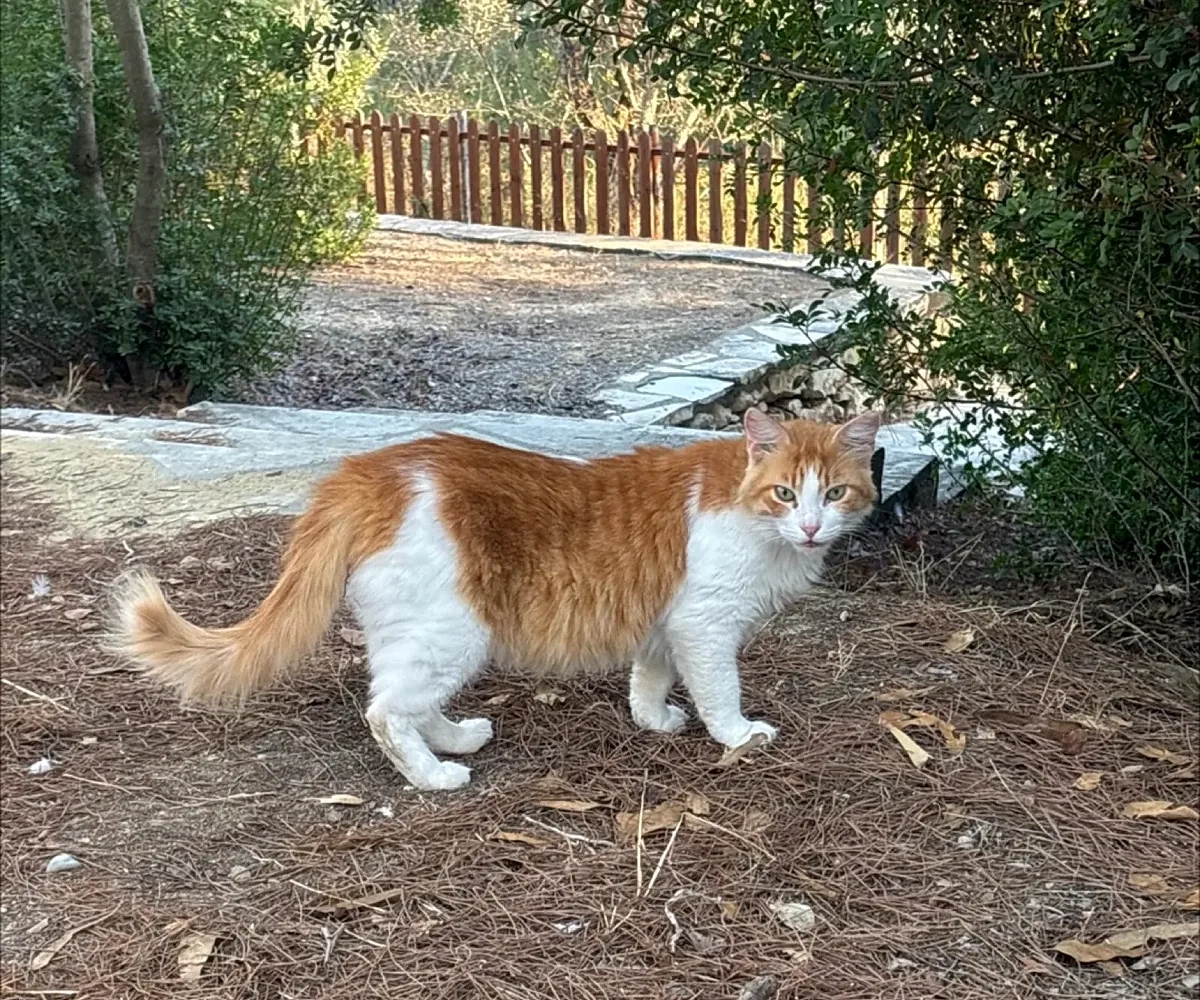
It’s not only posts and pictures. In Cyprus, where we’re based, the agriculture minister chose World Animal Day last year to announce that the state would triple its budget for neutering stray cats, from €100,000 to €300,000. Volunteers and cat groups had asked for it. Days like this are when people listen.
What to do on 4 October
- Put out a bowl of fresh water for the cats on your street.
- Give to a local cat rescue or neutering fund. Even a small amount pays for food.
- Find out which cats near you are neutered, and tell a local group about the ones that aren’t.
- Learn how trap, neuter and return works, and offer to help with the next one.
- Snap the cats on your street, so they’re counted.
Every cat you catch lands on the map. That’s a start on the hundred years ahead.