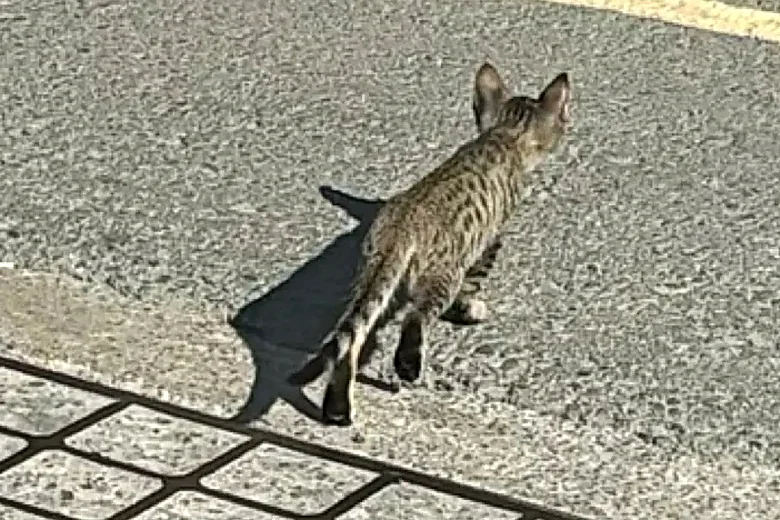
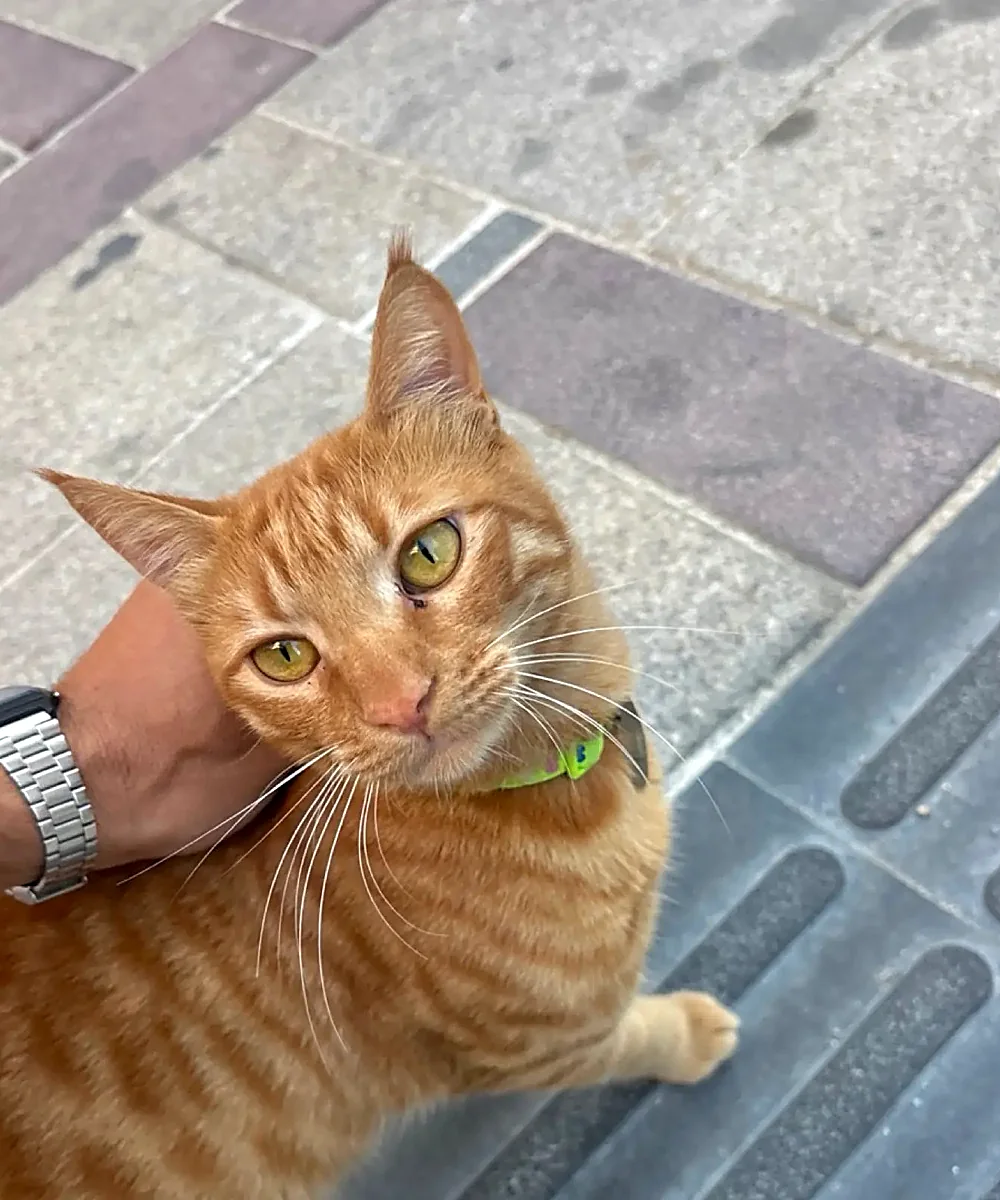
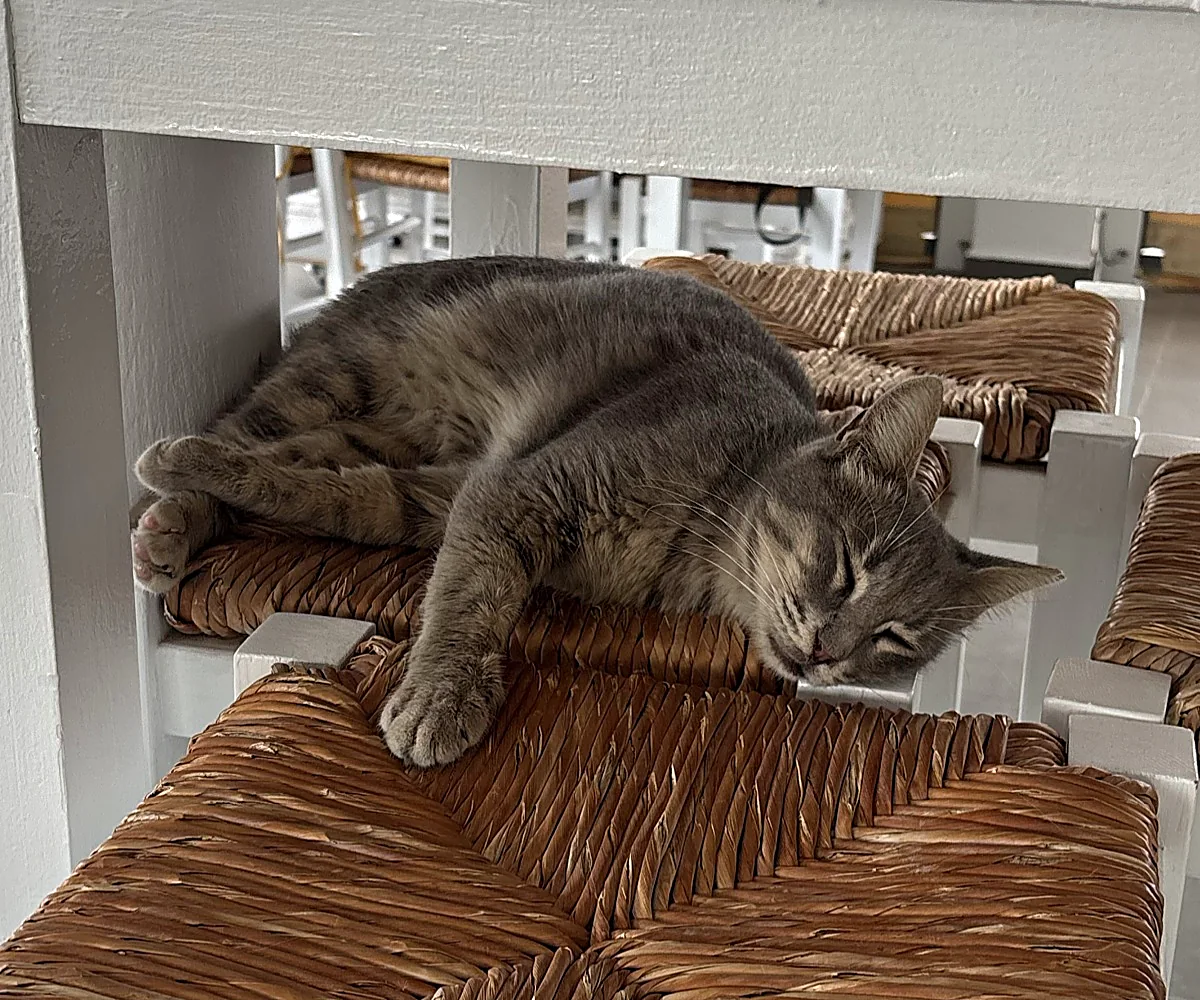
All over the world, street cats are kept alive by people with a bag of biscuits in the car. It’s one of the kindest habits there is. It also goes wrong in a few common ways: the wrong food, too much of it left out, or a growing colony that the neighbours start to resent.
Here’s how to get it right.
What cats need
Cats are what vets call obligate carnivores. They rely on nutrients found only in animal products, so they can’t live on bread, pasta or vegetables, however hungry they are.
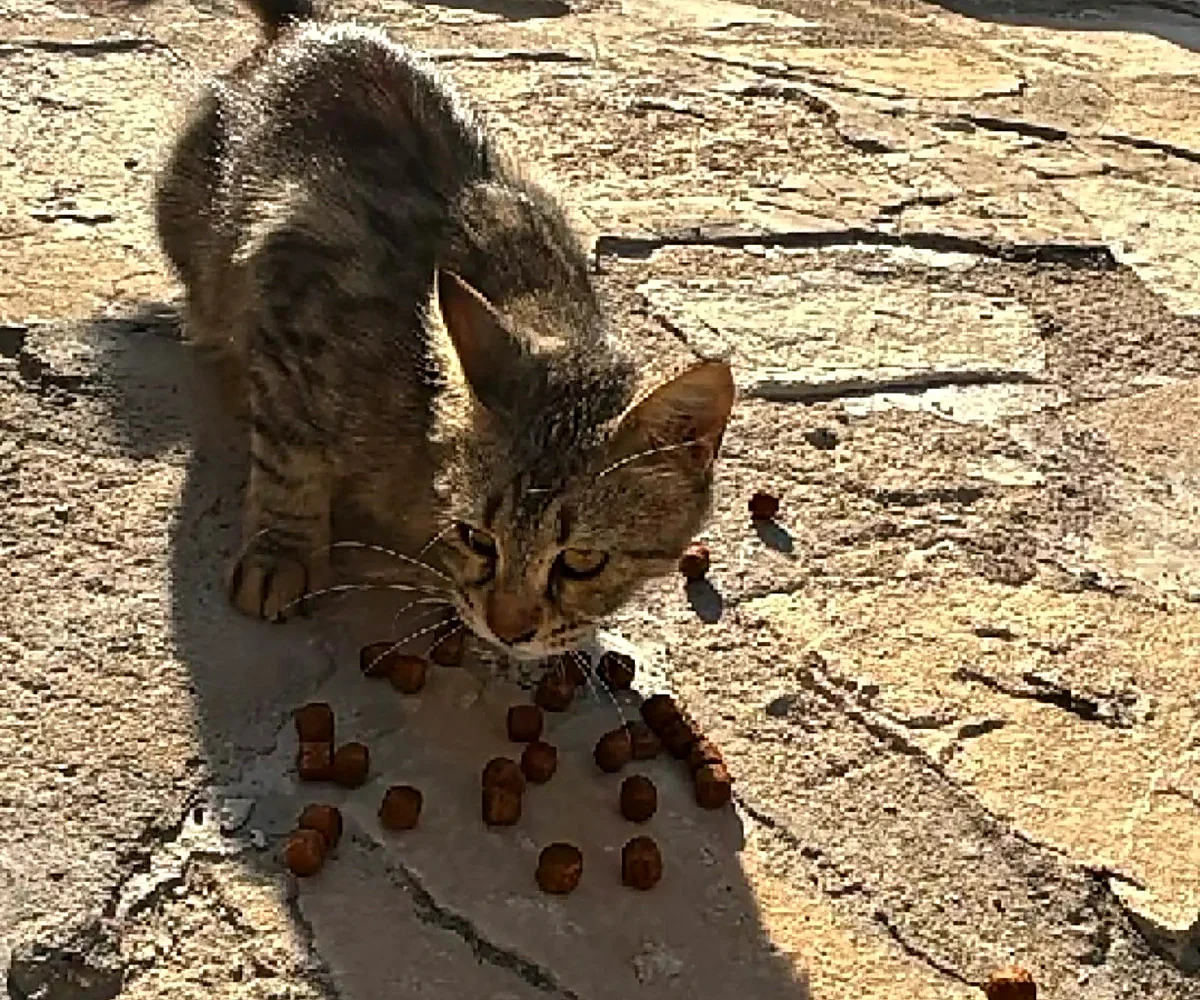
The simplest answer is complete cat food, the kind labelled “complete” rather than “complementary”. Dry food is cheap and keeps well outside. Wet food is more expensive but gives them water too, which matters in hot summers.
Dog food isn’t a stand-in. It’s often lower in protein and may not have enough taurine, which cats need for their heart and eyes. A cat living on dog food can get seriously ill.
What not to feed
Most people know about chocolate. Fewer know about the onion in the leftovers. According to vets and the charity Cats Protection, these are harmful to cats:
- Onion and garlic, raw, cooked or powdered. They damage red blood cells, and less than a teaspoon of cooked onion has made cats ill. That rules out most leftovers, sauces and gravy.
- Chocolate, coffee and tea. As little as 2 g of chocolate can do serious damage.
- Grapes, raisins and currants, which can cause kidney failure.
- Alcohol and raw bread dough.
- Cooked bones, which splinter.
- Raw meat, fish and eggs, which can carry bacteria and parasites.
- Milk. Cats love it, but many are lactose intolerant, and it gives them an upset stomach. Water is what they need.
Not food, but worth knowing: lilies are so poisonous to cats that tiny amounts can cause kidney failure. Even the pollen and the water in the vase are dangerous.
Water, always
Fresh water matters as much as food, and more in summer. Street cats often have nowhere to drink. A heavy bowl that can’t tip, filled every day, in the shade, can save a cat on a hot day.
How to feed so it helps
The US charity Alley Cat Allies has spent decades working with street cat colonies. Their colony care advice comes down to a few habits:
- Same place, same time. Cats learn the routine, and you’ll notice quickly when one is missing or unwell.
- Only what they’ll eat. If the food is gone in 15 minutes, add a little more. If some is still there after 30, put out less.
- Pick up leftovers within about half an hour. Food left out overnight brings ants, rats and complaints.
- Keep it clean. Wash the bowls, and don’t leave piles of biscuits on the pavement.
Be a good neighbour
Feed away from doorways, shops and restaurants, and ask before you use someone else’s land. A tidy feeding spot keeps the cats welcome. A messy one is how they get chased off, or worse.
Feeding and neutering go together
Food alone grows a colony. Well-fed cats have more kittens, and most of those kittens don’t survive. If the cats you feed don’t have a tipped ear, they probably aren’t neutered. Tell a local cat group or your council, or help with the trapping. There’s more on why in our World Spay Day story.
This guide is general information, not veterinary advice. If a cat you feed has eaten something harmful, call a vet straight away.
The cats you feed are the ones you know best. Put them on the map.